Powell River Top General Contractor for Home Renovation Services
Powell River Top General Contractor for Home Renovation Services
Blog Article
General Contractor: Your Indispensable Partner for Household Projects
A general contractor executes an vital role in home projects. They supervise numerous aspects of building, ensuring that work advances smoothly. Their expertise in construction standards and requirements comprehensive guide allows them to navigate the difficulties of permits and inspections. This skilled professional functions as an important connection between homeowners and subcontractors. Yet, many homeowners remain unsure about the full extent of their work offerings. Learning about these details can greatly affect the success of any renovation project.
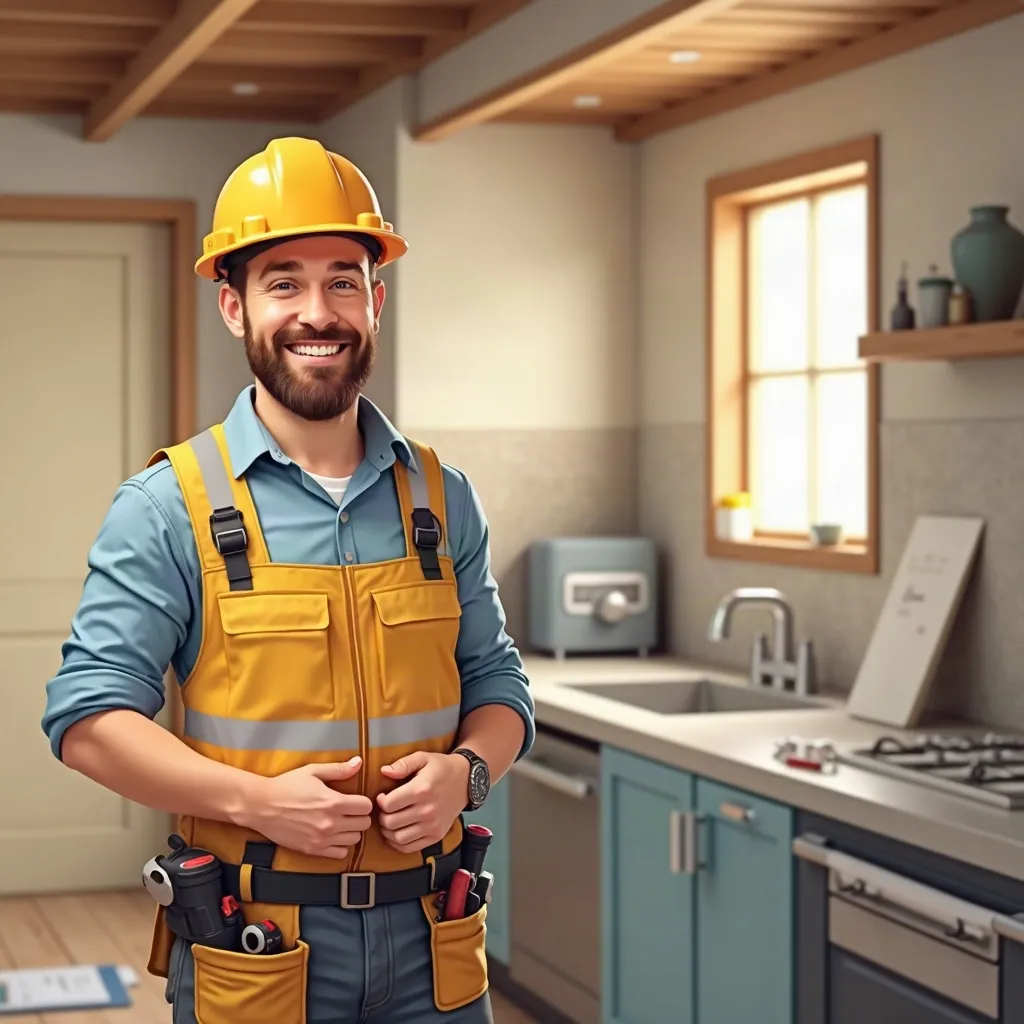
What Duties Do a General Contractor Do?
A project overseer directs the multiple aspects of a building project, making certain that operations proceed without interruption from initiation to completion. They serve as the chief communication hub, handling communication between project owners, trade contractors, and material providers. This role involves planning the work schedule, coordinating crew members, and ensuring conformity with local building codes and regulations.
General contractors are responsible for acquiring required licenses and arranging inspections, which are essential to maintaining safety and quality standards. They also handle budget planning, material procurement, and overseeing site operations to mitigate any potential delays or issues. In addition, they supervise subcontractors, making sure that each phase of construction conforms to project specifications and timelines. Overall, a general contractor's expertise and organizational skills are essential to delivering a successful construction project, turning a client's vision into reality while managing multiple duties and obligations.
Using a general contractor for home renovations offers many benefits that can greatly improve the quality and efficiency of the renovation. General contractors bring knowledge in overseeing projects, ensuring deadlines are honored and materials are distributed efficiently. Their established connections with trade specialists can lead to better pricing and excellent quality, which in the end helps property owners time and money.
Moreover, general contractors oversee the complex aspects of permits and inspections, reducing possible regulatory problems. They also provide a unified liaison, simplifying dialogue and collaboration among various trades. This optimization reduces the likelihood of confusion and setbacks.
Moreover, their experience permits them to predict potential challenges, enabling proactive solutions to maintain the project on track. By hiring a general contractor, homeowners can focus on their vision while gaining peace of mind, recognizing that a professional is supervising every aspect of the renovation.
Refuting False Notions About General Contractors
Although many property owners may have erroneous ideas about contracting professionals, grasping the facts can lead to more wise decisions. A widespread myth is that hiring a general contractor is unnecessary for minor projects; still, their proficiency can streamline even small-scale renovations, ensuring conformance with local codes. Another frequent belief is that general contractors are just middlemen, but they often have comprehensive knowledge in various trades, allowing them to direct projects efficiently. Moreover, some clients assume that working with a contractor will greatly raise costs. In reality, a skilled general contractor can often obtain better deals for materials and labor through long-standing relationships with suppliers and subcontractors. Lastly, many think that contractors are inflexible, but trusted contractors focus on client communication and work closely to satisfy particular needs. Clearing up myths can empower clients to harness the actual value of general contractors when completing successful home projects.
Selecting the Right General Contractor?
How can homeowners guarantee they select the right construction professional for their undertakings? The process starts with comprehensive investigation. Property owners should obtain recommendations from friends, family, and online reviews to identify potential candidates. Once a compilation is compiled, confirming credentials, such as licensing, insurance, and bonding, is essential to confirm credibility.
Next, clients should request and review portfolios of previous work, focusing on projects similar in scope. Arranging consultations allows homeowners to gauge compatibility, addressing timelines, budgets, and expectations. It's also advisable to gather multiple bids for comparison, delivering a transparent view of costs.
Assessing references offers understanding of a contractor's reliability and professionalism. Ultimately, following your intuition is essential; an initial meeting can reveal much about a contractor's interaction pattern and strategy. By following these steps, homeowners can markedly increase their odds of choosing a general contractor who matches their requirements and aspirations.
Successful Conversation Methods Alongside Your General Contractor
What tactics can homeowners implement to ensure strong dialogue with their general contractor? Initiating clear communication from the beginning is essential. Homeowners should plainly communicate their requirements, project targets, and spending restrictions during opening conversations. Consistent information can be facilitated through arranged conferences, confirming that both parties remain in sync throughout the project.
Using written documentation, such as email correspondence and project documentation, helps strengthen verbal agreements and reduces misunderstandings. Homeowners should also encourage open dialogue by soliciting input and inquiries from the contractor, fostering a collaborative environment.
Additionally, harnessing modern solutions, such as project management apps, can optimize communication by supplying a centralized platform for posting updates, timelines, and changes. Finally, displaying respect and approachability can boost rapport, enabling it easier for the contractor to share challenges or suggestions in an effective manner. By adopting these methods, homeowners can build a collaborative and transparent relationship with their general contractor.
What You Should Know When Your Project Kicks Off?
As the project launches, homeowners can anticipate a burst of work on-site. The project manager will coordinate teams of skilled tradespeople, including electricians, plumbers, and carpenters, who will start their tasks according to the established timeline. Homeowners may observe equipment and supplies being brought in, creating a bustling atmosphere.
Communication remains vital during this phase. The contractor will give progress reports on progress and address any concerns that arise. Homeowners should get ready for potential disruptions, such as sound and limited access to certain areas of the home.
Safety measures will be in place to protect both workers and residents, maintaining a secure environment. Additionally, homeowners may be encouraged to maintain flexibility, as unpredictable obstacles can arise, prompting adjustments to the original plan. Overall, this initial phase sets the stage for the successful completion of the project, and active engagement is essential.
Important Questions for Your General Contractor Deal?
Deciding which queries to ask when finalizing a general contractor agreement is important for ensuring a trouble-free project. Homeowners should ask about the contractor's credentials and policy to confirm their credentials and protection against legal exposure. Understanding the project schedule and goals is key; therefore, asking about projected completion dates helps manage expectations.
It is also necessary to articulate payment terms, like deposit amounts and payment schedules, to forestall misunderstandings. Homeowners should secure a granular analysis of outlays, featuring building materials and labor, to assure accountability. Concurrently, deliberating on the system for handling changes or unforeseen issues can avert disagreements later.
Finally, property owners should obtain information regarding the credentials of subcontractors, as well as the communication plan of the contractor throughout the project. By examining these matters, property owners can create a strong partnership with their general contractor, ultimately resulting in a successful home renovation.
Frequently Asked Questions
In What Fashion Do General Contractors Charge for Their Services?
Contractors commonly assess fees through fixed fees, time-based pricing, or a percentage of the total project cost. Their pricing model may include materials, work performed, and overhead, based on the intricacy and breadth of the project.
Can a General Contractor Assist With Licenses and Assessments?
Yes, a construction contractor can support securing permits and managing inspections. They routinely work with local codes and guarantee compliance, making it easier for homeowners while supporting necessary authorizations throughout the construction undertaking.
What Skills Should I Determine in a General Contractor?
When designating a construction company, one should analyze professional attributes such as licensing, insurance, experience in relevant projects, positive references, and proficient communication practices, ensuring they retain the vital expertise to administer the project as planned.
What is the Timeline of a Average Home Renovation Undertaking?
A routine home renovation project can go anywhere from a few weeks to several months, influenced by the scope, difficulty, and size of the project, as well as the availability of materials and labor.
What Transpires if My Project Overshoots Budget?
If a project goes over budget, the contractor usually talks through the causes and alternatives with the homeowner. Adjustments may include reducing scope, obtaining more funds, or modifying the project parameters to align with financial limits.
Report this page